Saving Seafood

  • Home
  • News
    • Alerts
    • Conservation & Environment
    • Council Actions
    • Economic Impact
    • Enforcement
    • International & Trade
    • Law
    • Management & Regulation
    • Regulations
    • Nutrition
    • Opinion
    • Other News
    • Safety
    • Science
    • State and Local
  • News by Region
    • New England
    • Mid-Atlantic
    • South Atlantic
    • Gulf of Mexico
    • Pacific
    • North Pacific
    • Western Pacific
  • About
    • Contact Us
    • Fishing Terms Glossary

Gulf Coast Seafood Alliance Applauds Agreement to Lengthen 2017 Federal Recreational Red Snapper Season, End Non-Compliant State Seasons

WASHINGTON — June 14, 2017 — The following was released today by the Gulf Coast Seafood Alliance:

The Gulf Coast Seafood Alliance (GCSA), a newly formed coalition representing Gulf commercial fishermen, seafood dealers, and restaurants, is pleased that the Department of Commerce and all five Gulf States have agreed to a more fair and equitable 2017 federal recreational red snapper season. We are grateful to Congressman Matt Gaetz for his help in bringing about these negotiations. We also applaud state fisheries managers, including the Florida Fish and Wildlife Conservation Commission, for their willingness to negotiate with federal regulators and other Gulf States.

The GCSA shared the disappointment and frustration of private anglers over the brevity of the recent three-day federal recreational red snapper season, which took place in the Gulf of Mexico between June 1 and June 4. We support any efforts to extend the federal recreational season by ending the practice of state non-compliant seasons and improving data collection on the red snapper fishery.

Per the newly reached agreement, announced today by the Commerce Department, all five Gulf States have agreed to align their seasons with the federal season for the remainder of the summer. In exchange, private anglers will have 39 weekend days and holidays through Labor Day to fish for red snapper in federal waters.

“Many of the GCSA’s members enjoy catching red snapper in addition to eating them at restaurants and markets,” said Dewey Destin, restaurateur and GCSA member. “It is clear that a three-day federal season for the private angling public is not politically or functionally acceptable. We are encouraged by the agreement reached today by the Commerce Department and the Gulf States, and hopeful for a long-term solution that is amenable to all red snapper stakeholders.”

The decision by states to not comply with federal regulations, as evidenced by conflicting season lengths, bag limits, and catch sizes, forced federal regulators to shorten the federal recreational season to account for high catches in state waters. Because states have agreed to limit this practice for the remainder of the 2017 season, the Commerce Department was presented with a unique opportunity to grant private anglers more days to fish and greater flexibility in when they fish.

The agreement between federal and state regulators applies only to the 2017 fishing season and does not pertain to subsequent fishing seasons. However, federal officials have expressed a desire to work with all stakeholders to prevent this type of emergency situation from reoccurring in the future. The GCSA looks forward to making its voice heard in any such long-term red snapper season negotiations.

About the Gulf Coast Seafood Alliance

The GCSA is a coalition of commercial fishermen, seafood dealers, and restaurants that advocates for the fair and equitable distribution of fish between commercial and recreational fishermen. The GCSA believes that people should have enough fish to catch and enough fish to buy. Our members represent a fishing economy that provides jobs, promotes tourism, and delivers fresh seafood across the Gulf Coast.

Red Snapper Season Could Re-Open Next Week For Private Anglers

June 10, 2017 — An announcement to re-open red snapper season to recreational anglers is expected next week.

“Their voice has been heard all the way to Washington and all the way to the Whitehouse,” says Jeff Boyd, Orange Beach city councilman. “It’s a win.”

If all five Gulf states agree, starting June 17th state and federal waters will be open every Saturday and Sunday for the rest of the summer through Labor Day. “I think it’s a great idea not only for the recreational fisherman but for the charter guys,” says angler Bobby Mason.

The weekends would include July 3rd and 4th and Labor Day. But, there is a catch. The states would have to agree to close their state season on weekdays.

All this in response to the shortest red snapper season in history for private boats. According to federal regulators, there are not enough red snapper to support a season longer than three days. Mason disagrees, “They’re almost an invasive species now. They’re taking over. You go and try to catch grouper and other fish all you get is snapper.”

But it’s not just about fishing. For the city of Orange Beach, Baldwin County and the state of Alabama, it’s about dollars and cents. “This is a revenue impact that is super important to our entire state,” says Boyd.

A multi-billion dollar industry for the city of Orange Beach with a large percentage of those tax dollars heading straight to Montgomery.

Read the full story at WKRG

Red snapper season could be extended starting next week

June 9, 2017 — A decision on extending the federal red snapper season for recreational anglers could come as early as Tuesday or Wednesday, said the acting commissioner of the Alabama Department of Conservation and Natural Resources.

Chris Blankenship, who was appointed to the acting commissioner’s role last week and who has been involved in negotiations to extend the season with federal authorities, said Thursday that he feels an agreement is “very close” in extending the federal recreational season to Labor Day weekend.

The agreement would have to be approved by the five Gulf states – Alabama, Florida, Mississippi, Louisiana and Texas – and the U.S. Department of Commerce, which oversees the National Oceanic and Atmospheric Administration. NOAA, through National Marine Fisheries Service, is charged with managing fisheries in federal waters.

“We are working out the details in each of our own states,” said Blankenship.

Read the full story at AL.com

New protections for threatened dusky sharks taking effect

June 7, 2017 — New protections for a species of threatened East Coast shark go into effect this week.

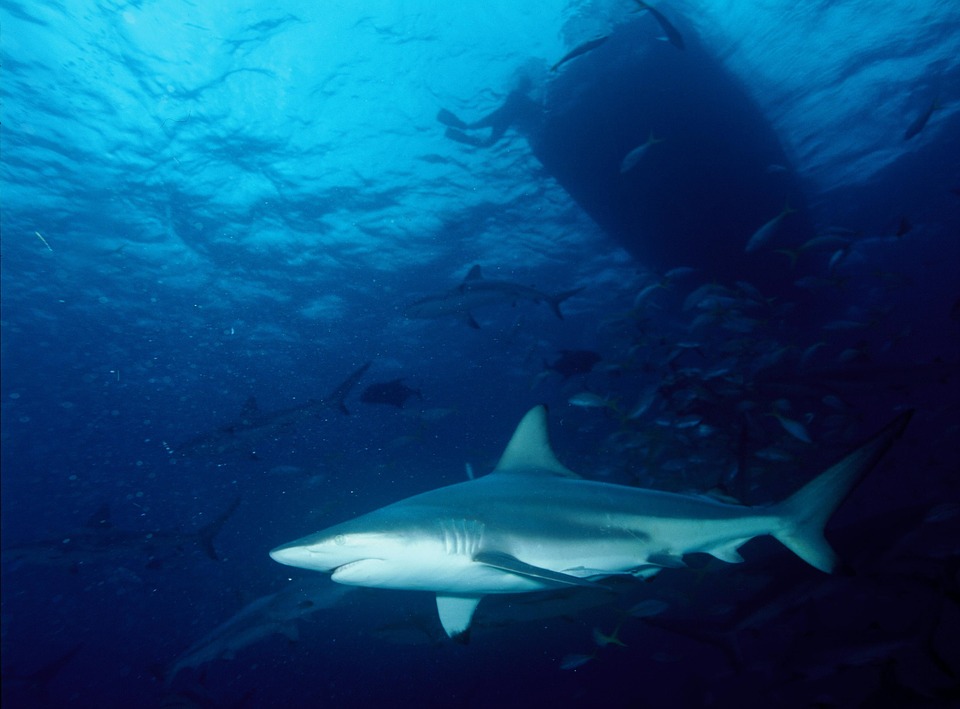
Dusky sharks range from Maine to Florida and are down to about 20 percent of their 1970s population off the East Coast and Gulf of Mexico.

The sharks are in decline in part because of years of harvesting them for their meat, oil and fins. It’s already illegal to fish for them off the U.S., but they sometimes get caught as bycatch.

The federal government is rolling out new protections for the shark this week, starting on June 5. One measure requires longline fishing vessels that target fish such as tuna and swordfish to take new precautions when they accidentally catch a dusky shark and release it.

 The environmental group Oceana is suing the federal government for better protection of the sharks. The group contends the new rules to protect dusky sharks don’t go far enough.

Read the Associated Press story at The Gloucester Times 

Officials negotiating extending 2017 Red Snapper season

June 7, 2017 — CORPUS CHRISTI, Texas — Fisheries directors from Texas and four other gulf states have been meeting with federal decision makers to decide whether or not to extend the 2017 red snapper fishing season for recreational anglers, which began June 1 and ended June 3. It lasted three days.

If extended, the longer federal season would open up more weekends this summer for recreational fishermen to pursue red snapper in the deeper, often more plentiful federal waters – which begin nine miles from the shoreline. On the other hand, it may also threaten year-round access to fishing for red snapper in state waters off Texas.

The National Oceanic and Atmospheric Administration allotted only three days this year for recreational anglers to fish in federal waters within the Gulf of Mexico. According to Captain Scott Hickman, who operates a charter boat in the Texas gulf, the short season is the result of high harvesting in Florida, which impacts the regulations placed on anglers in other states.

Read the full story at KRIS-TV

More federal red snapper days possible

June 7, 2017 — The Florida Fish and Wildlife Commission (FWC) is considering a plan that could lead to more fishing days for red snapper in federal waters.

The U.S. Department of Commerce is offering to add more fishing days for recreational anglers in exchange for the Gulf states agreeing to shorten their red snapper season in state waters.

“Florida would have to give days to get days,” according to an FWC press release.

Current discussion are aiming to align an expanded federal season with weekend and holidays throughout the summer. In exchange, FWC would give up some fishing days in state waters, according to the release.

These changes would apply only to private anglers. No change is being considered to the for-hire season which is open daily until July 19.

The season for private anglers ended Saturday — a mere three days. Since the announcement was made, there has been intense anger from local fisherman and a steady call for a longer season. Local politicians have sent letters to both the National Oceanic and Atmospheric Administration (NOAA), which regulates the fishery, and the Department of Congress asking for more days.

Read the full story at the Panama City News Herald 

Gulf Anglers, Fishery Managers Clash Over Red Snapper Opening in Federal Waters

May 30, 2017 — Despite a months-long season for red snapper in state waters off Florida and other Gulf states, fisherman across the Gulf of Mexico are gearing up to protest a brief three-day opening to catch the prized fish in federal Gulf waters. Fishermen argue a short opening hurts businesses and hampers anglers across the Gulf, but fishery managers say a small window is important to preserve a species still recovering from overfishing.

Florida state waters extend nine miles off shore in the Gulf of Mexico; beyond that, the federal government has jurisdiction over what fish can be caught, and when. Within Florida waters, FWC approved 78 days for catching red snapper. Similar seasons are found in other Gulf states like Alabama, while Texas allows for year-round red snapper fishing off it’s Gulf coast.

On June 1, federal regulations will allow just three days for recreational fisherman to tackle red snapper in federal waters in the Gulf. Deeper federal waters are where red snapper is usually found in Southwest Florida, while Florida’s panhandle is deep enough that fishermen can usually catch the fish within the 9-mile state boundary.

Read the full story at WGCU

South Atlantic Fishery Management Council Meeting June 12-16, 2017 in Ponte Vedra Beach, FL

May 26, 2017 — The following was released by the South Atlantic Fishery Management Council: 

Meeting Location:

Sawgrass Marriott    

1000 PGA Tour Boulevard   

Ponte Vedra Beach, FL 32082     

Phone: Reservations: 800/457-4653

or 904/285-7777

Scroll down for: 

– Agenda Highlights 

– Additional Meeting Information and Public Comment  

Agenda Highlights

  • Snapper Grouper Committee
    Work continues on development of adaptive management measures for the red snapper fishery (Amendment 43). The committee will also review measures proposed for both recreational (Regulatory Amendment 26) and commercial (Regulatory Amendment 27) sectors as identified through the Council’s 2016-2020 Vision Blueprint. Measures include reducing the recreational size limit for black sea bass, commercial split seasons and more. In addition, the Committee will continue to review a white paper outlining approaches for developing a limited entry program for federal for-hire (charter) permits in the snapper grouper fishery.
  • Mackerel Cobia Committee
    The committee will receive a report from its advisory panel, discuss options for an emergency action relative to cobia, and receive an update on the development of an interstate fishery management plan for Atlantic cobia (Georgia through New York) by the Atlantic States Marine Fisheries Commission.
  •  Workshop:Improving Survival of Released Fish
    Monday, June 12th from 3:30 – 5:30 PM
    • Join Council members as they receive presentations on best fishing practices being used to reduce discard mortality. Presenters:

      • Dr. Chuck Adams and Dr. Kai Lorenzen – Florida Sea Grant/University of Florida
      • Brian Husky – KeepEmWet Fishing
      • Andy Loftus – Fish Smart/ASA
      • Cameron Rhodes – SAFMC Outreach Staff
      • Stephen Theberg, Jr. – Rising Leaders Academy
      • Tom Twyford – West Palm Beach Fishing Club
      • Additional Meeting Information
         
         Register for daily webinar access to watch the meeting live and view the agenda-at-a-glance.

Briefing book materials are now available!  View and download all of the meeting materials including committee agendas, overviews, presentations, and amendment documents from the June Council Meeting Page.
 
Public Comment Session
Wednesday, June 14 – 4:30 PM  
Formal public comment
The Council will be accept comments on meeting agenda items. The Council Chair, based on the number of individuals wishing to comment, will determine the amount of time provided to each commenter.

Gulf Coast anglers plan protest against fishing limits

May 26, 2017 — Recreational anglers along the Gulf Coast are planning floating protests against strict federal limits on red snapper fishing.

Demonstrations are being organized in fishing ports in Alabama, Florida and Mississippi for June 4.

That’s the day after the federal three-day fishing season ends for red snapper, one of the region’s most popular catches.

Federal regulators say the tight limit is needed to protect the fish. But opponents accuse scientists of using flawed science to set the rule.

Justin Fadalla is an organizer of the Alabama protest. He says the rule is hurting marinas, tackle shops, and marine services companies all over the Gulf Coast.

Read the full story from the Associated Press at WJHG

Sustainable Shark Alliance, Southeastern Fisheries Association Applaud Florida Law Cracking Down on Illegal Shark Finning

May 25, 2017 — The following was released today by the Sustainable Shark Alliance and the Southeastern Fisheries Association:

The Sustainable Shark Alliance (SSA) and the Southeastern Fisheries Association (SFA) applaud the State of Florida, Governor Rick Scott, and the Florida Legislature for passing a new law strengthening prohibitions against the illegal act of shark finning. The bill was passed unanimously by both chambers of the Florida Legislature and signed into law yesterday by Gov. Scott. It will take effect beginning in October.

The legislation raises existing fines and penalties for shark finning, which has been illegal under federal law for decades, and codifies a Florida Fish and Wildlife Conservation Commission rule prohibiting this practice. Anyone caught removing shark fins before the shark has been landed at the dock will be subject to escalating punitive measures, such as fines and suspended permits, that culminate in a loss of all Florida fishing license privileges for a third offense.

“The SSA is grateful to Florida’s lawmakers for taking an approach that both protects sharks and allows law-abiding fishing families to continue to earn a living,” said Shaun Gehan, an attorney for the SSA. “This is the right way to eliminate shark finning and promote shark conservation. While some have proposed measures that would totally eliminate the sustainable harvest of sharks, Florida is showing why U.S. shark fisheries continue to be the gold standard around the globe.”

As originally introduced, the bill would have completely eliminated the sale and trade of shark fins in Florida. But after industry and the Florida Fish and Wildlife Conservation Commission presented facts about how Florida’s commercial fishermen responsibly land and harvest sharks, the bill was altered to specifically target those engaged in illegal shark finning. It was introduced in the Florida Senate by Sen. Travis Hutson, where it passed 39-0, and in the Florida House by Reps. Joe Gruters and Alex Miller, where it passed 115-0.

“This bill started out bad but ended up good, because lawmakers listened to their constituents and listened to the science,” said SFA Executive Director Bob Jones. “Our commercial fishermen catch the whole shark in a process that is rigorous and transparent. We despise anyone that would take any kind of animal and cut part of it off and just throw the rest away. That’s immoral and that’s wrong.”

About the Sustainable Shark Alliance

The Sustainable Shark Alliance (SSA) is a coalition of shark fishermen and seafood dealers that advocates for sustainable U.S. shark fisheries and supports healthy shark populations. The SSA stands behind U.S. shark fisheries as global leaders in successful shark management and conservation.

About the Southeastern Fisheries Association

The Southeastern Fisheries Association (SFA) is a Florida-based nonprofit trade association founded by a core group of fish dealers in 1952. The SFA defends, protects, and enhances the commercial fishing industry in the Southeastern United States while maintaining healthy and sustainable stocks of fish.

  • « Previous Page
  • 1
  • …
  • 50
  • 51
  • 52
  • 53
  • 54
  • …
  • 64
  • Next Page »

Recent Headlines

  • Landmark US Magnuson-Stevens fisheries law turns 50 amid budget cut concerns
  • USDA launches new office to support US seafood industry
  • US Celebrates 50 Years of the Law of Fisheries Management — the Magnuson-Stevens Act
  • Groundfish Gut Check: Partnering with the Fishing Industry to Update Groundfish Data
  • Senator Collins’ Statement on the Creation of the USDA Office of Seafood
  • NEW YORK: A familiar name earns one of the Mid-Atlantic’s top honors
  • Buy American Seafood Act Could Help U.S. Fishermen
  • Pacific monuments reopening push fights over fishing, culture

Most Popular Topics

Alaska Aquaculture ASMFC Atlantic States Marine Fisheries Commission BOEM California China Climate change Coronavirus COVID-19 Donald Trump groundfish Gulf of Maine Gulf of Mexico Illegal fishing IUU fishing Lobster Maine Massachusetts Mid-Atlantic National Marine Fisheries Service National Oceanic and Atmospheric Administration NEFMC New Bedford New England New England Fishery Management Council New Jersey New York NMFS NOAA NOAA Fisheries North Atlantic right whales North Carolina North Pacific offshore energy Offshore wind Pacific right whales Salmon South Atlantic Virginia Western Pacific Whales wind energy Wind Farms

Daily Updates & Alerts

Enter your email address to receive daily updates and alerts:
  • This field is for validation purposes and should be left unchanged.
Tweets by @savingseafood

Copyright © 2026 Saving Seafood · WordPress Web Design by Jessee Productions