Saving Seafood

  • Home
  • News
    • Alerts
    • Conservation & Environment
    • Council Actions
    • Economic Impact
    • Enforcement
    • International & Trade
    • Law
    • Management & Regulation
    • Regulations
    • Nutrition
    • Opinion
    • Other News
    • Safety
    • Science
    • State and Local
  • News by Region
    • New England
    • Mid-Atlantic
    • South Atlantic
    • Gulf of Mexico
    • Pacific
    • North Pacific
    • Western Pacific
  • About
    • Contact Us
    • Fishing Terms Glossary

Learning About Menhaden: A Journey to Reedville

January 27, 2017 — The following is excerpted from an article by Emily Liljestrand, a master’s student in the University System of Maryland’s Marine Estuarine Environmental Sciences program. It was published Tuesday by Maryland Sea Grant:

Atlantic menhaden, though completely unpalatable to all but the most desperate diners, can be found in many commercial products. They are processed into omega-3, fatty-acid-rich nutritional supplements as well as aquaculture feed and fertilizer. People have utilized them for hundreds of years. The name “menhaden” even comes from the Native American word “munnawhatteaug,” which means “that which fertilizes.”

To get from this one-foot-long, oily, bug-eyed creature to the myriad of products we use them for requires several steps of fishing and processing. Most of which we got to witness first-hand on our trip to Reedville.

We were welcomed by the Omega Protein staff who guided us to a cozy conference room where we watched a video that demonstrated the fishing operation. Delightful as it might have been, having nine students and faculty go out on a fishing vessel that can often spend days offshore is a bit impractical.

But in the video we got to see the whole fishing process. Spotter planes take off across the Chesapeake Bay and nearshore Atlantic waters, looking for the telltale sign of a menhaden school – darkened bubbling waters where menhaden were being targeted by predatory fish and sea birds. Pilots can estimate with a high degree of accuracy not only the size of a school but also the average size of menhaden within that school.

The fishing vessel charges onto the scene and once in position, deploys two smaller seine boats that together use a single net to rope up as much of the school as they can. Once the bottom “purse string” gets pulled, it’s only a matter of hauling everything up onto the larger vessel and/or vacuuming menhaden into the hold. If done efficiently, the whole process may take no longer than half an hour.

Our guided tour around the on-shore facility in Reedville showed us how the processing continues onshore. The school of menhaden (or multiple schools, collected over several days) are deposited into a large holding vat and cooked at extreme temperatures. This procedure breaks down the fish and creates a sort of menhaden “slurry.” Through a series of heating, cooling, and further chemical processing, the lighter liquid oil gets separated from the harder, denser meal.

Omega Protein told us about its efforts to make its processing operations sustainable. It uses recycled/reclaimed water extracted from the menhaden themselves as a cooling agent, which has saved about 18 million gallons of water annually, and safely disposes of nitrogen byproducts. Omega’s fossil fuel consumption has dropped by 80 percent since 2012 thanks to several plant renovations.

Read the full story at Maryland Sea Grant

Seafood Nutrition Partnership Launches Online Education Resources for Health and Nutrition Influencers

January 23, 2017 — The following was released by Seafood Nutrition Partnership:

ARLINGTON, Va. — The nonprofit Seafood Nutrition Partnership (SNP) has launched online education programs and resources at seafoodnutrition.org/programs and seafoodnutrition.org/resources to assist in teaching communities and individuals about the health and nutritional benefits of a seafood-rich diet. These resources have been developed for use by nutrition educators and influencers within the public health sector, healthcare organizations, schools, workplace wellness programs, and the general public.

“Through our work with health and nutrition influencers, we’ve seen an ongoing need for seafood education resources that supplement current nutrition education initiatives,” says Traci Causey, Director of Programs and Education for SNP. “The online resources we’ve created for them are both accessible and practical.”

While the latest USDA Dietary Guidelines for Americans recommend eating seafood twice per week and taking in at least 250mg of the omega-3 fatty acids EPA and DHA per day to support heart and brain health, only 1 in 10 Americans eat seafood twice per week, and on average Americans are taking in just 80mg of EPA and DHA per day, according to the Centers for Disease Control and Prevention (CDC). SNP’s online educational resources—based on Eating Heart Healthy, the organization’s community-level nutrition intervention program developed to help individuals and families incorporate seafood into their diets—are part of an effort to reverse this trend.

The online programs are designed to build awareness and increase knowledge about the health and nutritional benefits of eating seafood; offer skill-building tools to help individuals confidently purchase and prepare seafood for their family; and provide tips and advice to assist Americans in meeting the seafood recommendation outlined in the USDA Dietary Guidelines. For nutrition educators, the resources are structured to be easily incorporated into an existing program or implemented as a new, stand-alone initiative.

“Nutrition educators are frequently asked about the role of seafood in a healthy diet,” says Dr. Judith Rodriguez, Chairperson and Professor at the University of North Florida’s Department of Nutrition and Dietetics, and an SNP Board Member. “This new online resource from Seafood Nutrition Partnership is a major step towards meeting this informational and educational need.”

Read the release at PR Web

Omega 3 Health Benefits, Nutrition Facts And Sources

October 31st, 2016 — According to a lot of research, omega 3 benefits each of the body’s systems in its own way. The greatest benefits can be found in the heart and the brain.

omega-3-nutrition

In places where other fats clog the arteries and contribute to heart disease, the omega 3 fatty acids helps to fight off the heart disease in many ways.

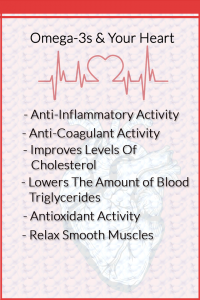
Here I have contributed a list of the things that omega 3 can do for your heart:

  • Anti-Coagulant Activity – helps prevent the formation of clots in the blood
  • Antioxidant Activity – they help to prevent oxidation of the fats that are found in the bloodstream. When the fats become oxidized, they can stick to the artery walls and harden atherosclerosis
  • Relax Smooth Muscles – the help reduce the blood pressure, which can reduce the risk of stroke and heart attack
  • Improves The Levels Of Cholesterol – Cholesterol isn’t all bad. Most individuals who have problems with cholesterol have high levels of LDL and low levels of HDL. Theheart-omega-3-oil particles of LDL are most likely to stick to the walls of the arteries and create clots. HDL is what helps remove the particles of LDL from the blood. Omega 3 supplements have been known to increase the amount of HDL.
  • Lowers The Amount of Blood Triglycerides – triglycerides are the fats found in the blood. The more fats that are found in your blood, the more likely you are to develop blood clots, have a stroke, ordevelop heart disease. The prescription medication LOVAX used for high levels of triglycerides is really nothing but omega 3 fish oil
  • Anti-Inflammatory Activity – when the oxidized fats get stuck to the artery walls, they create swelling or inflammation, which makes the arteries even narrower

Read the full report at Cooking Detective 

Invitation To Host Seafood Nutrition House Party This National Seafood Month

August 22, 2016 — The following was released by Seafood Nutrition Partnership:

ARLINGTON, Va. — The non-profit Seafood Nutrition Partnership (SNP) is inviting 250 people to host a Seafood Nutrition House Party this October 1. The 2015-2020 USDA Dietary Guidelines for Americans recommend eating seafood at least twice a week to take in at least 250mg of omega-3s EPA+DHA per day. Currently only 1 in 10 Americans follow this guideline. This program will help build awareness for the need to include critical seafood nutrition in regular meals.

The program overview is as follows: Share a fun meal with some amazing seafood recipes by hosting a Seafood Nutrition House Party! Apply now for one of your own: http://www.houseparty.com/event/seafoodnutrition.
This program is only open to residents located in SNP’s 8 Target Markets in AL, FL, IN, KY, OH, OK, TN and WV.

This is a great chance to get your friends together for a fun meal with some amazing seafood recipes as you learn how eating seafood twice a week is essential for a healthy heart. At your party, you’ll showcase your passion for seafood and heart health, and Seafood Nutrition Partnership will provide everything you need to make it a success. So invite all your friends over to take the Healthy Heart Pledge, enjoy delicious recipes and have a great time learning how important and easy it is to incorporate seafood into your meals every week.

SNP Executive Director Linda Cornish said, “We invite everyone interested in seafood nutrition to plan a Seafood House Party on October 1 and use hashtag #SeafoodParty2016 and #HealthyHeartPledge to kick off National Seafood Month 2016!”

When you use the #HealthyHeartPledge hashtag you’re taking our Healthy Heart Pledge. That means you recognize seafood is a healthy choice for you and your family and you’ll pledge to eat at least two servings of seafood each week and supplement with omega-3s. You can learn more about the Healthy Heart Pledge and sign up for our newsletter for helpful information to help you eat more sustainable seafood on http://www.seafoodnutrition.org/healthy-heart-pledge.html

Omega 3s Linked to Lower Risk of Diabetes Complications

August 19, 2016 — Eating oily fish may lower a person’s risk for diabetes-related vision problems, study suggests.

People who consume omega 3s may prevent a complication from diabetes that harms a person’s eyes and vision, according to a new study released Thursday.

In the report, published in the journal JAMA Ophthalmology, researchers looked at over 3,500 people in Spain with type 2 diabetes who were participating in a trial looking at the effects of keeping a Mediterranean diet. The people were followed for about six years.

Read the full story at Time

2016 Seafood Nutrition Partnership Recipe Sweepstakes Launches Nationwide

August 15, 2016 — The following was released by the Seafood Nutrition Partnership:

ARLINGTON, Va. — The non-profit Seafood Nutrition Partnership (SNP) launches the 2016 Seafood Recipe Sweepstakes in the United States to encourage people to incorporate more seafood into regular meals. The 2015-2020 USDA Dietary Guidelines for Americans recommend eating seafood at least twice a week and to take in at least 250mg of omega-3s EPA+DHA per day. Currently only 1 in 10 Americans follow this guideline.

As part of SNP’s 3-year public health education Healthy Heart Pledge campaign, the 2016 Seafood Nutrition Partnership Recipe Sweepstakes encourages people to show how easy, delicious, and nutritious fish and shellfish can be to add to weekly meals. “We are excited to introduce this consumer education program to teach Americans about the critical importance seafood nutrition has in supporting heart and brain health,” said SNP Executive Director Linda Cornish. “This program not only highlights the health benefits seafood offers, but also how simple, easy and delicious it is to incorporate seafood at least twice a week into your regular meals.”

Beginning today through October 21st, people are encouraged to share a photo of a seafood dish prepared using 5 ingredients or less (not counting spices/garnishes) on Twitter or Instagram using the hashtags #HealthyHeartPledge and #SNPSweepstakes for a chance to win a $250 gift card. A total of ten winners will be randomly selected in accordance with the Sweepstakes Schedule, with winners being announced on http://www.SNPSweepstakes.com and SNP’s Instagram and Twitter accounts.

Official instructions and rules of the sweepstakes are as follows:

  • Share a photo of a seafood dish prepared using five (5) ingredients or less (not counting spices/garnishes) and list the ingredients or provide a link to a page, which includes a list of the ingredients, and, if possible, include the directions in the social post or via a link.
  • Post to Twitter or Instagram using the hashtags #HealthyHeartPledge and #SNPSweepstakes.
  • A total of ten winners will be randomly selected in accordance with the Sweepstakes Schedule to win a $250 gift card. People can submit one entry per day, and SNP will announce winners on http://www.SNPSweepstakes.com, and SNP’s Instagram and Twitter accounts.
  • No purchase necessary. The sweepstakes ends on 10/21/16. Open to legal residents of the 50 U.S. and D.C., 18 and older. For Official Rules, including odds, and prize descriptions, visit http://www.SNPSweepstakes.com. Void where prohibited.
  • By posting the #HealthyHeartPledge hashtag, you are taking SNP’s Healthy Heart Pledge. This means you recognize seafood is a healthy choice for you and your family and you’ll pledge to eat at least two servings of seafood each week and supplement with omega-3s. You can learn more about the Healthy Heart Pledge and sign up for our newsletter for information to help you eat more sustainable seafood on http://www.seafoodnutrition.org/healthy-heart-pledge.html

AL DUDLEY: Stock Assessments Overwhelmingly Support Raising Atlantic Menhaden Quotas

August 2, 2016 — SEAFOOD NEWS — This week, fisheries managers have the chance to expand opportunities for fishermen as they consider a scientifically supported increase in the coastwide menhaden quota. Although generally not consumed in their own right, menhaden are the bait of choice for both commercial and recreational fishermen and are prominent producers of the Omega-3 nutrients often used in health supplements.

In recent years, commercial fishing of menhaden has been needlessly restricted by the Atlantic States Marine Fisheries Commission (ASMFC), the regulatory body charged with managing the species and maintaining the health of the stock. In 2012, based on the results of a stock assessment that was later found to have inaccurately underestimated the strength of the menhaden population, the ASMFC cut the annual menhaden harvest by a deeply felt 20 percent.

This year, as the ASMFC discusses potentially raising the quota, the science clearly and without a doubt demonstrates the menhaden stock is healthy, vibrant, and not in any conceivable danger of becoming overfished.

In an analysis earlier this summer produced by the ASMFC’s Menhaden Technical Committee, scientists analyzed the potential results of an increase in the menhaden quota for the 2017 fishing season. The Committee experimented with nine different potential increases, from simply maintaining the menhaden quota at its current level to increasing it by 40 percent. For each increase, the Committee ran 1,000 separate simulations, to ensure the data were accurate and all variables possible were accounted for. After this thorough and exhaustive study, the Committee concluded that increasing the menhaden quota for the 2017 fishing season poses a zero percent chance of resulting in overfishing.

These results build upon the positive findings of the 2015 menhaden assessment, which overturned the inaccurate results of the previous assessment when it found the stock to be sustainably managed, neither overfished nor subject to overfishing.

The Committee was comprised of 21 different scientists, representing 13 different states up and down the Eastern Seaboard. In addition, the Committee had representatives from the National Marine Fisheries Service, which has been in favor of limiting menhaden fishing in the past. That such a diverse wealth of scientists and regulators agreed raising the quota would have virtually no likelihood of overfishing is testament to the exhaustive and rigorous nature of their efforts.

When the ASMFC meets this week, they intend to discuss the motion for a raise in the annual menhaden quota. Now it is time for them to either fish or to cut bait. The evidence does not lie – menhaden are not at risk of overfishing with a raised quota.

This story originally appeared on Seafoodnews.com, a subscription site. It is reprinted with permission.

Latest Scientific Analysis Supports Increased Atlantic Menhaden Quota

Aug 1, 2016 – The following was released by the Menhaden Fisheries Coalition:

WASHINGTON (MFC) – An analysis conducted by scientists at the Atlantic States Marine Fisheries Commission (ASMFC) finds that the coastwide Atlantic menhaden quota can be substantially raised without impacting the sustainability of the species.

In a memo by the ASMFC’s Atlantic Menhaden Technical Committee on June 22, the Committee described projections it ran using nine different potential quota levels for the 2017 fishing season. These projections found a 0 percent chance of overfishing menhaden in 2017, even when menhaden quota was increased by up to 40 percent. Projections were run 1,000 times for each potential quota level to ensure that a full range of potential scenarios were accounted for in the estimates.

The Atlantic Menhaden Technical Committee is composed of 21 scientists from 13 states along the U.S. Atlantic coast and the National Marine Fisheries Service. The Committee’s projections were short-term (2014-2017) to eliminate uncertainty inherent in longer-term projections.

The ASMFC will hold its summer meeting August 2-4 in Alexandria, Va., where it will discuss, among other topics, Atlantic menhaden, and the possibility of raising its quota for 2017.

Atlantic menhaden catch totaled 171,900 mt tons in 2014. The ASMFC set menhaden quota at 187,800 mt for 2015 and 2016.

In 2015, the ASMFC’s Atlantic menhaden stock assessment found that the menhaden stock was healthy and sustainably managed, with the species neither overfished nor experiencing overfishing. It also found that fishing mortality is at an all-time low, and that menhaden fecundity (egg production) has been strong in recent years. Based on these findings, the ASMFC raised the menhaden quota by 10 percent last year.

Menhaden are used to produce fishmeal, fish oil, and fish solubles due to their high concentration of healthy Omega-3 fatty acids. They are also prized for their use as bait in other fisheries.

About the Menhaden Fisheries Coalition

The Menhaden Fisheries Coalition is a collective of menhaden fishermen, related businesses, and supporting industries. Comprised of over 30 businesses along the Atlantic and Gulf Coasts, the Menhaden Fisheries Coalition conducts media and public outreach on behalf of the menhaden industry to ensure that members of the public, media, and government are informed of important issues, events, and facts about the fishery.

View the release here

1 in 10 people may face malnutrition as fish catches decline

July 1, 2016 — There are many important reasons to manage the world’s wild fisheries. We do it to maintain stock levels, to ensure biodiversity and because fish are valuable. But researchers say there’s something else in need of protection: The very people who rely on fish for food.

Scientists are predicting more than 10 percent of the world’s population, a whopping 845 million people, will experience deficiencies in critically important micronutrients including zinc, iron, vitamin A, vitamin B12, and fatty-acids in the coming decades if global fish catches continue to decline.

Christopher Golden, lead author and research scientist at Harvard School of Public Health, calls it “a perfect storm” for countries like Indonesia, the Philippines, Malaysia, the Maldives, Angola, Ghana, Nigeria and others that rely heavily on wild-caught fish for sustenance, and cautions the findings are just “the tip of the iceberg.”

It’s in these regions, close to the Equator, where nutrition is highly dependent on wild seafood, and where fisheries are “most at risk from illegal fishing, weak governance, poor knowledge of stock status, population pressures and climate change,” Golden and his co-authors warn in a commentary in the journal Nature. “These countries urgently need effective strategies for marine conservation and fisheries management to rebuild stocks for nutritional security.”

Up until now, they say, studies have focused only on protein loss from lack of seafood — overlooking how micronutrient loss could greatly impact health, says Golden.

We humans need micronutrients in only tiny amounts, but our bodies still require them for good health, explains Ashley Koff, a Washington, D.C.-based registered dietitian. Zinc, for example, is important for immune health. Iron is critical for bringing oxygen into red blood cells, helps prevent anemia and for children, it’s important for total body growth. Fatty acids are essential for brain growth and development.

“While they’re micro, they play a significant role in reproductive and overall health,” she says.

Read the full story at Minnesota Public Radio

Fish Oil Could Save Around $15 Billion in EU Healthcare Costs, Says New Study

May 17, 2016 — The following is an excerpt from a story published today by Food Ingredients First, which explains how Omega-3 supplements can save EU healthcare providers billions of dollars every year. A similar study by Dr. Doug Bibus, president of Lipid Technologies, was published in the journal Lipid Technology earlier this year. Bibus’s study found that Omega-3 fatty acids from menhaden oil could save billions of dollars in U.S. healthcare costs.

More widespread regular consumption of Omega 3 supplements could save healthcare systems and providers in the EU a total of €12.9 billion ($14.69 billion) a year, according to an independent study commissioned by Food Supplements Europe.

Using existing published literature and official data, researchers at Frost & Sullivan explored the financial benefits of the consumption of Omega 3 EPA+DHA food supplements among people aged 55 and over. This demographic group, representing 157.6 million people or 31% of the total EU population, is considered to be at high risk of developing cardiovascular disease (CVD).

Overall it is forecast that in the EU, 24% of people aged 55 and over (i.e. 38.4 million people) are in danger of experiencing a CVD-attributed hospital event between 2016 and 2020. This is expected to cost as much as €1.328 trillion ($1.512 trillion) over this five-year period – equivalent to €34,637 ($39,453) per event.

Read the full story at Food Ingredients First

  • « Previous Page
  • 1
  • 2
  • 3
  • 4
  • Next Page »

Recent Headlines

  • Scientists did not recommend a 54 percent cut to the menhaden TAC
  • Broad coalition promotes Senate aquaculture bill
  • Chesapeake Bay region leaders approve revised agreement, commit to cleanup through 2040
  • ALASKA: Contamination safeguards of transboundary mining questioned
  • Federal government decides it won’t list American eel as species at risk
  • US Congress holds hearing on sea lion removals and salmon predation
  • MASSACHUSETTS: Seventeen months on, Vineyard Wind blade break investigation isn’t done
  • Sea lions keep gorging on endangered salmon despite 2018 law

Most Popular Topics

Alaska Aquaculture ASMFC Atlantic States Marine Fisheries Commission BOEM California China Climate change Coronavirus COVID-19 Donald Trump groundfish Gulf of Maine Gulf of Mexico Illegal fishing IUU fishing Lobster Maine Massachusetts Mid-Atlantic National Marine Fisheries Service National Oceanic and Atmospheric Administration NEFMC New Bedford New England New England Fishery Management Council New Jersey New York NMFS NOAA NOAA Fisheries North Atlantic right whales North Carolina North Pacific offshore energy Offshore wind Pacific right whales Salmon South Atlantic Virginia Western Pacific Whales wind energy Wind Farms

Daily Updates & Alerts

Enter your email address to receive daily updates and alerts:
  • This field is for validation purposes and should be left unchanged.
Tweets by @savingseafood

Copyright © 2025 Saving Seafood · WordPress Web Design by Jessee Productions