
December 15, 2016 — Are you feeling conflicted about eating seafood? Do you embrace the idea of getting healthy omega-3 fats in your diet — but worry that they might come with an unhealthy dose of mercury? If so, you’re far from alone — that’s one reason that the average American is not eating the recommended amount of fish and seafood.
The official recommendations for seafood consumption from the American Heart Association and the 2015-2020 Dietary Guidelines for Americans are to eat fish at least twice weekly — at least 8 ounces total — but only one in 10 of us do. The average person eats 3.5 ounces per week, and that drops to an average of 2 ounces during pregnancy — despite the recommendation that pregnant and breast-feeding women increase fish intake to up to 12 ounces per week.
If you’ve been playing it safe by limiting how much fish you eat, the good news is that you can relax. There’s a game-changer in the seafood and mercury debate — selenium. Selenium is an antioxidant mineral that helps prevent free radical damage to your cells, but it’s also an essential part of a few dozen enzymes (selenoenzymes) that protect your brain from damage. This is where seafood comes in.
According to Nicholas Ralston, Ph.D., a research scientist at the University of North Dakota’s Energy and Environment Research Center, part of the confusion about mercury and seafood comes from conflicting results from large studies on the effects of mercury consumption on childhood brain development. Ralston, who studies the health effects of mercury, spoke at the annual meeting of the Academy of Nutrition and Dietetics in Boston in October.
On one hand, two major studies, one from the Faeroe Islands and one from New Zealand, found low levels of harm from mercury exposure from seafood. On the other hand, studies in the United States and other countries found increased seafood consumption was associated with higher child IQ, despite mercury. Ralston said that when researchers dug harder to figure out what was driving the inconsistencies, they found the selenium link.
Mercury and selenium form an essentially unbreakable bond in your body. If you are getting more mercury than selenium, that doesn’t leave any “free” selenium for those brain enzymes. This can be especially devastating during pregnancy and shortly after birth, when a child’s brain is developing rapidly.
In the Faroe Island and New Zealand studies, the most heavily consumed types of seafood were whale and shark, which are high in mercury and very low in selenium. “That’s not what most people eat,” Ralston said. To top it off, both countries were also selenium-poor. “At the time of the study, New Zealand was one of the most selenium-poor nations on Earth. So throw some mercury at them, and they’re going to go down hard and fast.”
The U.S. is not a selenium-poor nation, but even if that weren’t true, the bottom line is that it is much safer to eat fish than to not eat fish. “There’s so much selenium in ocean fish that rather than falling behind in your selenium, you get enriched,” Ralston said. “The more fish you eat, rather than being in more danger of mercury toxicity, you’re safer.”

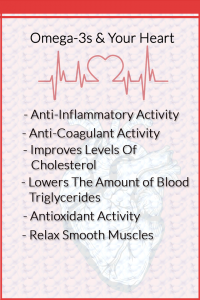 particles of LDL are most likely to stick to the walls of the arteries and create clots. HDL is what helps remove the particles of LDL from the blood. Omega 3 supplements have been known to increase the amount of HDL.