Listen to an audio recording of Dr. Stokesbury's testimy
Dr. Kevin Stokesbury, associate professor and chair of the Department of Fisheries Oceanography at the University of Massachusetts-Dartmouth's School for Marine Science and Technology (SMAST) testified on fisheries data collection before a House subcommittee on Capitol Hill today.
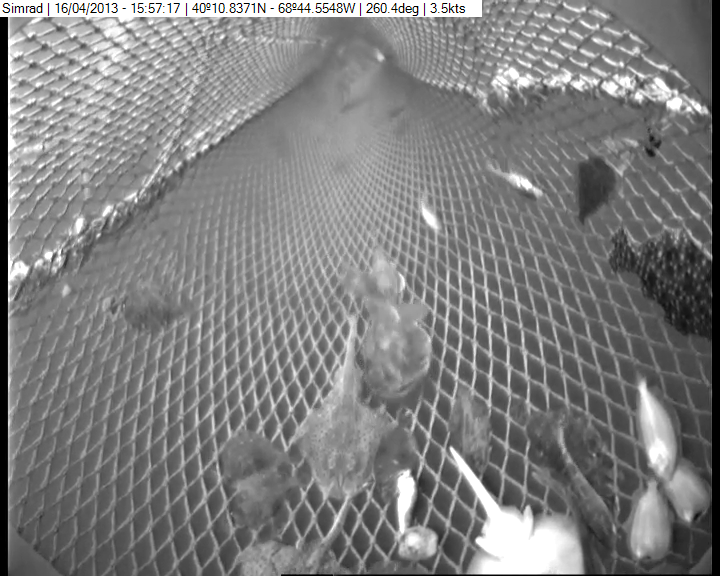
Dr. Stokesbury's testimony addressed alternative acoustic and video survey techniques developed by SMAST which have been used to conduct sea scallop surveys. The House Subcommittee on Fisheries, Wildlife, Oceans and Insular Affairs took interest in whether or not similar video survey techniques, currently being investigated by Dr. Stokesbury, could be applied to other fisheries. Dr. Stokesbury testified that preliminary results from a recent test of such as system look promising.
Dr. Stokesbury told the committed he believes "fisheries research should return to the fundamental principal of field ecology, seeking absolute measures." He discussed how his team of researchers worked together with fishermen using "donated food, fuel and fishermen's time" to seek absolute measures of scallop abundance. This led to a doubling of the measures of scallop abundance worth approximately $2.4 billion. This system of measurement has been accepted by the National Marine Fishing Service, and has been published in 25 peer-reviewed scientific papers..
"To me the way forward is to get out there, and work with the fishermen measuring what's going on. If we can use new technologies to look at these populations clearly and simply, perhaps we can start grasping their underlying dynamics," Dr. Stokesbury said.
The House Subcommittee on Fisheries, Wildlife, Oceans and Insular Affairs heard testimony from two panels of witnesses at today's Magnuson-Stevens Reauthorization Oversight Hearing. The Subcommittee and witnesses at the hearing addressed fisheries data collection issues related to the reauthorization of the Magnuson-Stevens Fishery Conservation and Management Act.
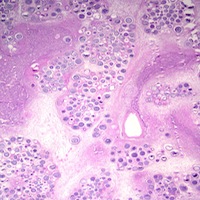
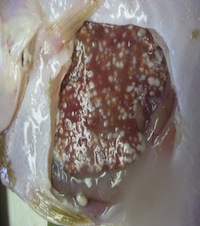 The organism, Ichthyophonus, progressively invades its host’s vital organs, destroying their liver, kidneys, and heart. It generally afflicts older fish in a stock, which are also the most important for repopulation.
  Dr. Smolowitz presented CFF’s research at a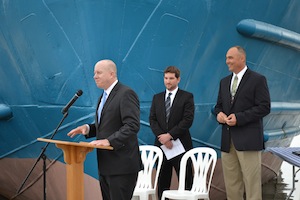
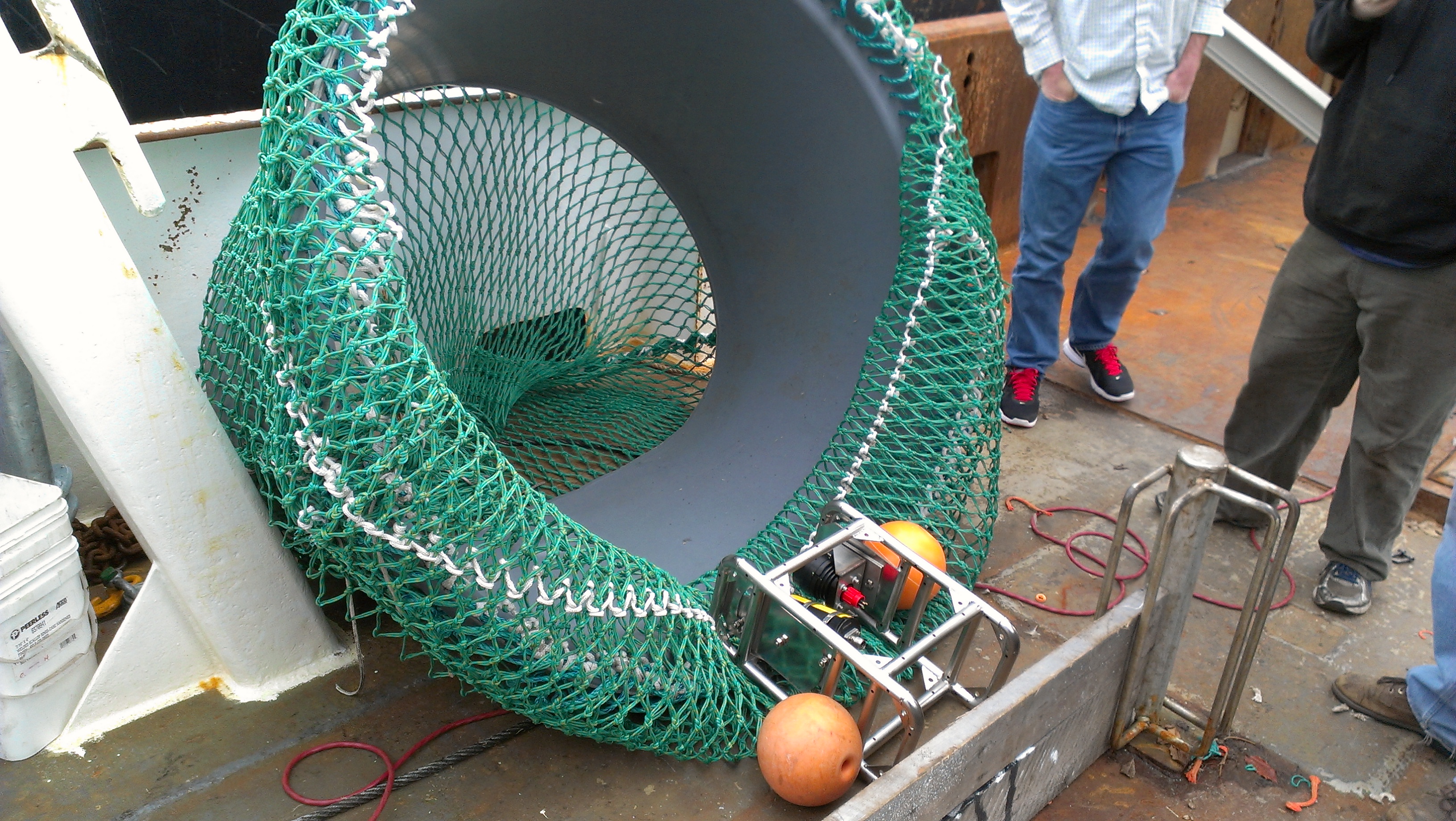 opening while video is shot by an attached underwater digital camera. This enables continuous, and thorough sampling for longer periods of time than a traditional collection survey.
 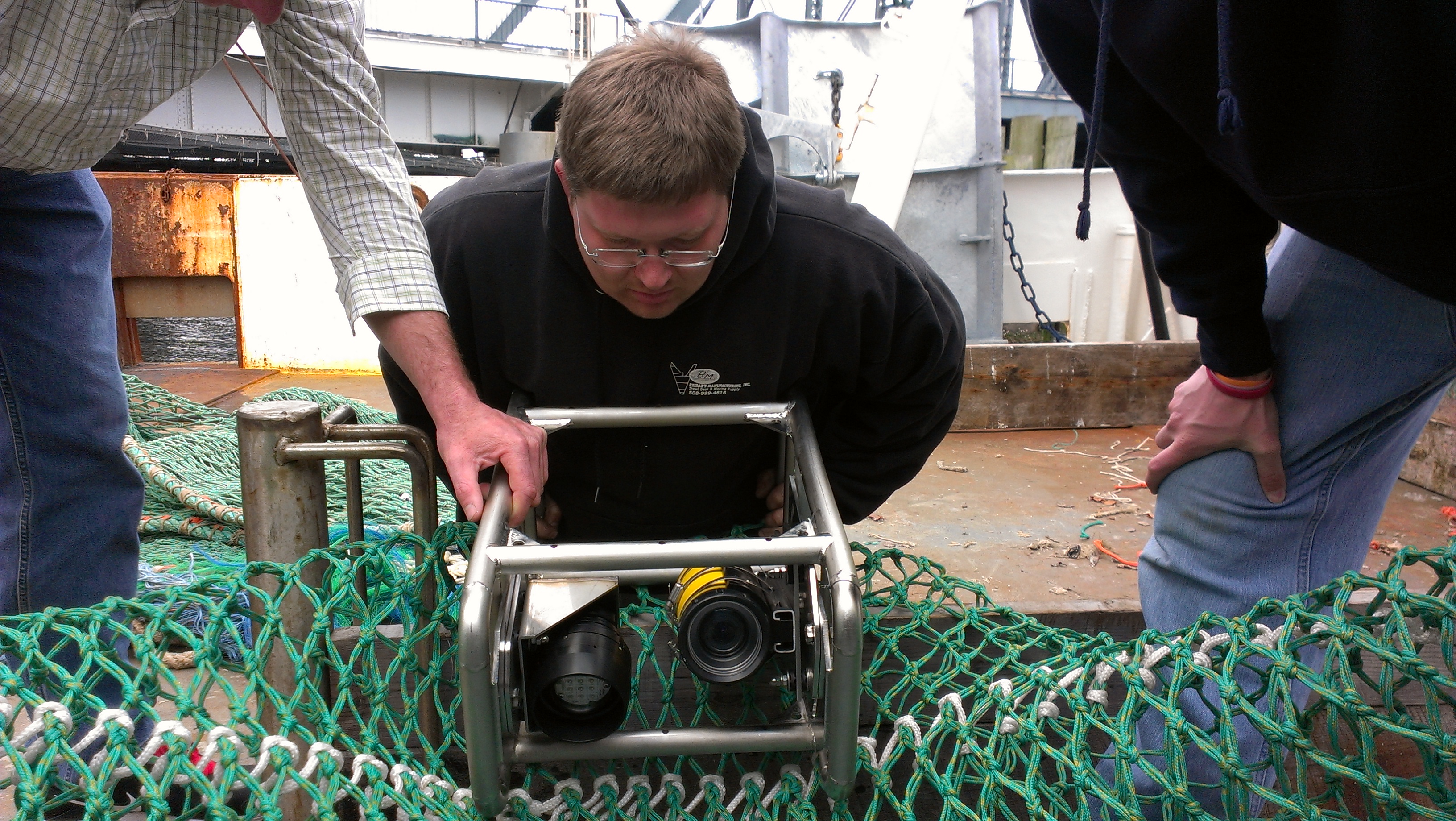 The survey has been supported by members of the groundfish and scallop industries, who provided equipment, funding, and time for the yellowtail survey. NOAA also cooperated by issuing the necessary permits and providing a scientist with similar technological experience to help conduct the survey. SIMRAD provided two technicians and the video camera system.